Quality Control in the Assisted Reproductive Technology Laboratory – 1st Edition
Original price was: $69.99.$38.00Current price is: $38.00.
Author: Durai P
Publisher: CRC Press
Print ISBN: 9781032620268
Delivery Time: Within 4 hours
Copyright: 2024
500 in stock
- Save up to 60% by choosing our eBook
- High-quality PDF Format
- Lifetime & Offline Access
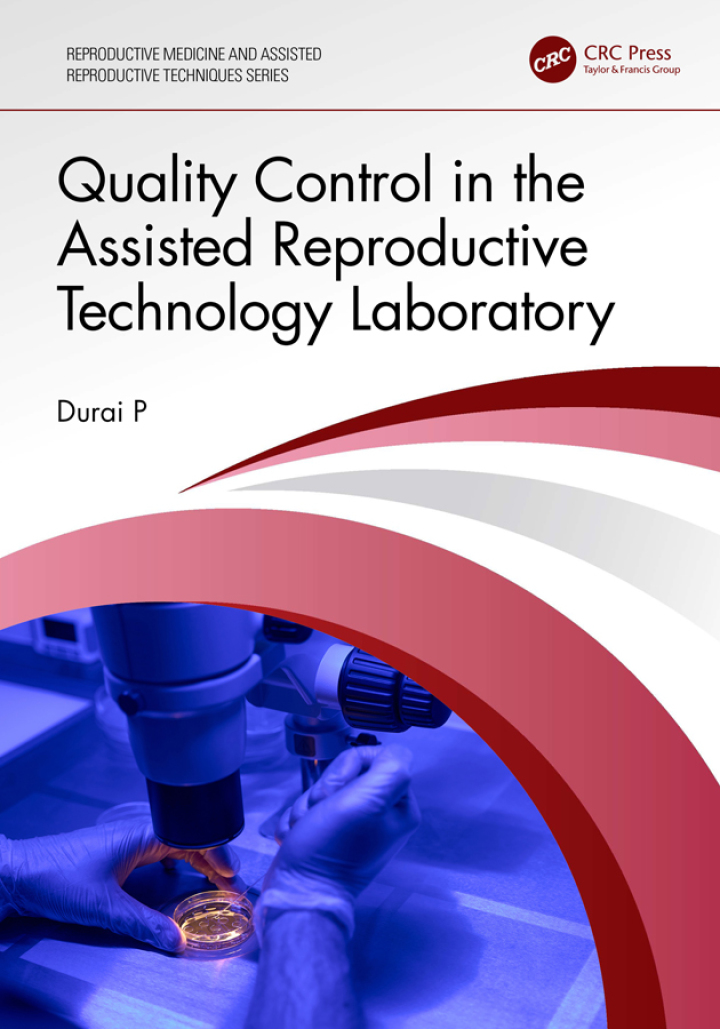
Quality Control in the Assisted Reproductive Technology Laboratory 1st Edition
Quality Control in the Assisted Reproductive Technology Laboratory, 1st Edition by Durai P.
Step into a definitive resource tailored for embryologists, laboratory managers, clinicians and quality officers who demand precision in the ART setting. This authoritative first edition addresses the critical need for robust quality control systems that safeguard outcomes in fertility clinics and hospital laboratories worldwide.
Inside, Durai P. translates complex principles into practical, usable guidance—covering equipment qualification, environmental monitoring, contamination control, assay validation, documentation practices and regulatory compliance. Clear explanations and real-world examples make it easy to adopt standard operating procedures, implement routine checks and respond effectively to deviations. Whether you manage a high-volume fertility center in North America, a specialized clinic in Europe or an emerging ART lab in Asia, the protocols and troubleshooting strategies are adaptable to diverse regulatory and resource contexts.
Benefit from an actionable framework that enhances consistency, reduces risk and supports reproducible results across in vitro fertilization cycles. The book emphasizes measurable quality metrics, staff competency, and continuous improvement—helping teams elevate patient safety and laboratory credibility.
Concise yet comprehensive, this volume is both a learning tool for trainees and a reference manual for seasoned professionals seeking to standardize operations or prepare for inspections and accreditation. Practical tables, checklists and flowcharts streamline implementation so you can move from theory to practice quickly.
For any fertility practice committed to excellence, Quality Control in the Assisted Reproductive Technology Laboratory by Durai P. is an essential addition to your professional library. Secure your copy today and take a decisive step toward safer, more reliable ART outcomes.
Note: eBooks do not include supplementary materials such as CDs, access codes, etc.