
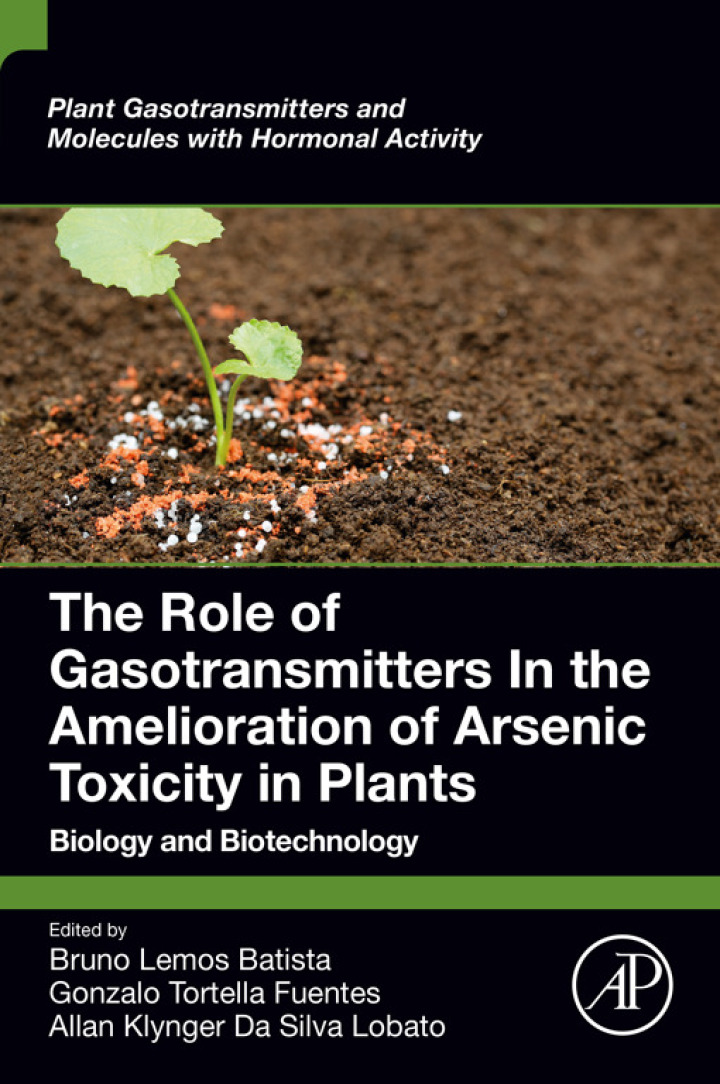
The Role of Gasotransmitters In the Amelioration of Arsenic Toxicity in Plants – 1st Edition
Original price was: $200.00.$38.00Current price is: $38.00.
Author: Vijay Pratap Singh
Publisher: Academic Press
Print ISBN: 9780323988001
Delivery Time: Within 4 hours
Copyright: 2023
500 in stock
- Save up to 60% by choosing our eBook
- High-quality PDF Format
- Lifetime & Offline Access
The Role of Gasotransmitters In the Amelioration of Arsenic Toxicity in Plants 1st Edition
The Role of Gasotransmitters In the Amelioration of Arsenic Toxicity in Plants (1st Edition) by Vijay Pratap Singh delivers a timely, authoritative exploration of how small gaseous signaling molecules mitigate arsenic stress in crops and wild plants. This concise, research-driven volume bridges plant physiology, environmental science, and practical remediation—essential reading for scientists, agronomists, policymakers, and advanced students working on contaminated soils and food safety.
Startling yet accessible, the book opens with clear explanations of gasotransmitters (NO, H2S, CO and others) and their cellular roles in signaling, detoxification, and stress tolerance. It then guides readers through molecular mechanisms, experimental approaches, and applied strategies—highlighting phytoremediation potential, crop management practices, and implications for regions grappling with arsenic-contaminated groundwater and soils, especially South Asia and other vulnerable agricultural zones.
What sets this edition apart is its blend of rigorous science and practical relevance: case studies, comparative analyses, and actionable insights help translate lab findings into field-ready solutions. Readers will appreciate the up-to-date literature synthesis, methodical troubleshooting tips, and discussion of policy and sustainability angles that make the content globally applicable.
Whether you’re researching arsenic toxicity, developing remediation programs, or updating a university collection, this book is a focused, dependable resource. Discover how harnessing gasotransmitters can improve plant resilience and protect food systems—add The Role of Gasotransmitters In the Amelioration of Arsenic Toxicity in Plants by Vijay Pratap Singh to your professional library today.
Note: eBooks do not include supplementary materials such as CDs, access codes, etc.