

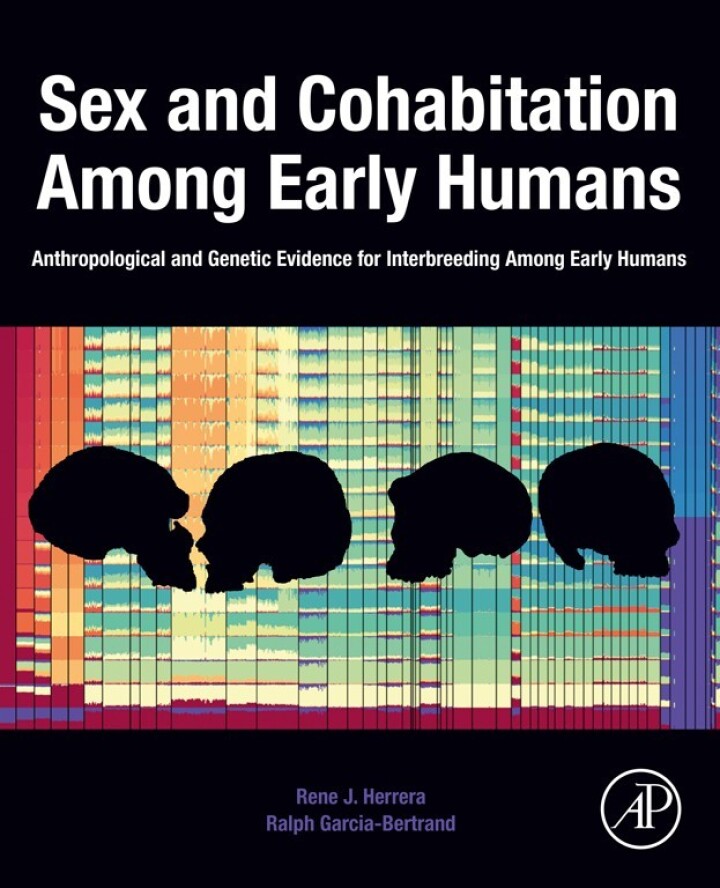
Sex and Cohabitation Among Early Humans – 1st Edition
Original price was: $150.00.$38.00Current price is: $38.00.
Author: Rene J. Herrera; Ralph Garcia-Bertrand
Publisher: Academic Press
Print ISBN: 9780128190869
Delivery Time: Within 4 hours
Copyright: 2023
500 in stock
- Save up to 60% by choosing our eBook
- High-quality PDF Format
- Lifetime & Offline Access
Sex and Cohabitation Among Early Humans 1st Edition
Sex and Cohabitation Among Early Humans (1st Edition) by Rene J. Herrera and Ralph Garcia-Bertrand offers a lucid, compelling exploration of intimacy, householding, and social bonds from the dawn of humanity to the Neolithic transition. This engaging volume draws on archaeology, paleoanthropology, genetics, and ethnographic analogy to illuminate how sex, pair-bonding, and co-residence shaped survival strategies across Africa, Eurasia, and beyond.
Readers curious about human evolution will find clear explanations of mating systems, childcare cooperation, and the archaeological traces of shared living spaces—from camp sites in East Africa to cave dwellings in Europe and seasonal encampments in Asia. The authors translate complex evidence—fossils, settlements, burial patterns, and ancient DNA—into accessible insights about how early humans organized daily life, negotiated partnerships, and formed kin networks.
Ideal for scholars, students, and informed readers of popular science, this book balances rigorous research with a readable narrative. You’ll gain practical understanding of topics such as sexual division of labor, the evolution of monogamy and polygyny, and cross-cultural comparisons of cohabitation among hunter-gatherers and early agricultural communities. The global perspective makes it especially useful for readers interested in regional developments across Africa, the Levant, Europe, and Central Asia.
If you seek a thoughtful, evidence-based account of how intimate relationships and shared households influenced human history, this first edition by Herrera and Garcia-Bertrand is an essential addition to your shelf. Pick up your copy today to deepen your knowledge of early human social lives and the evolutionary forces that continue to shape relationships around the world.
Note: eBooks do not include supplementary materials such as CDs, access codes, etc.