
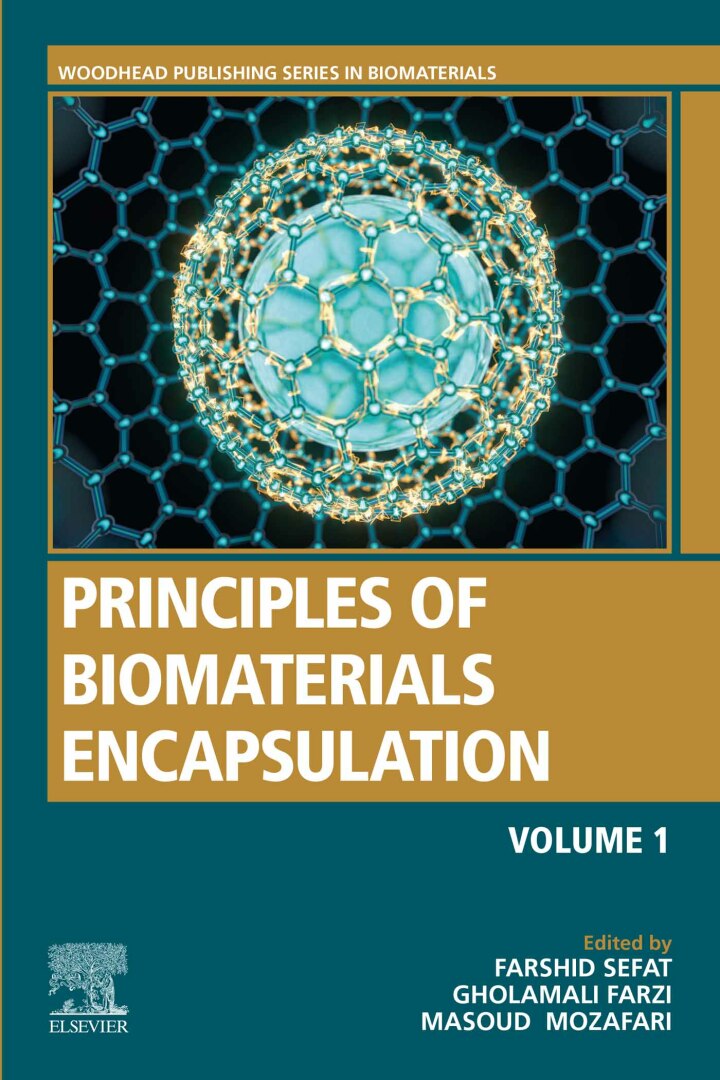
Principles of Biomaterials Encapsulation: Volume One – 1st Edition
Original price was: $285.00.$38.00Current price is: $38.00.
Author: Farshid Sefat; Gholamali Farzi; Masoud Mozafari
Publisher: Woodhead Publishing
Print ISBN: 9780323859479
Delivery Time: Within 4 hours
Copyright: 2023
500 in stock
- Save up to 60% by choosing our eBook
- High-quality PDF Format
- Lifetime & Offline Access
Principles of Biomaterials Encapsulation: Volume One 1st Edition
Principles of Biomaterials Encapsulation: Volume One, 1st Edition by Farshid Sefat, Gholamali Farzi, and Masoud Mozafari immediately captures attention with a clear, contemporary focus on the science and practice of encapsulation for biomedical use. This authoritative volume synthesizes fundamental theory with practical techniques, making complex concepts accessible to a wide international audience.
Inside, readers will find in-depth coverage of micro- and nano-encapsulation methods, hydrogels, liposomes, polymer matrices, and cutting-edge approaches to controlled release and targeted delivery. Detailed discussions of material selection, biocompatibility, degradation behavior, and analytical characterization equip researchers and engineers with the tools needed to design robust drug delivery and tissue engineering systems. The text also addresses scale-up challenges and translational considerations relevant to industry and regulatory environments.
Engineered for relevance in academia and industry alike, this first edition is an essential reference for biomedical engineers, materials scientists, pharmaceutical researchers, and graduate students. Case studies and real-world examples illustrate how encapsulation strategies are applied in regenerative medicine, therapeutics, and diagnostic platforms, helping readers translate laboratory innovation into clinical and commercial impact.
Practical yet scholarly, Principles of Biomaterials Encapsulation balances rigorous science with actionable guidance, making it ideal for coursework, lab reference, and professional development. Whether you’re working in a university lab in Europe, a biotech startup in North America, or a research institute in Asia-Pacific, this volume provides a global perspective on contemporary encapsulation challenges and solutions.
Add this essential resource to your collection today to advance your understanding of biomaterials encapsulation and accelerate translational research and product development.
Note: eBooks do not include supplementary materials such as CDs, access codes, etc.