
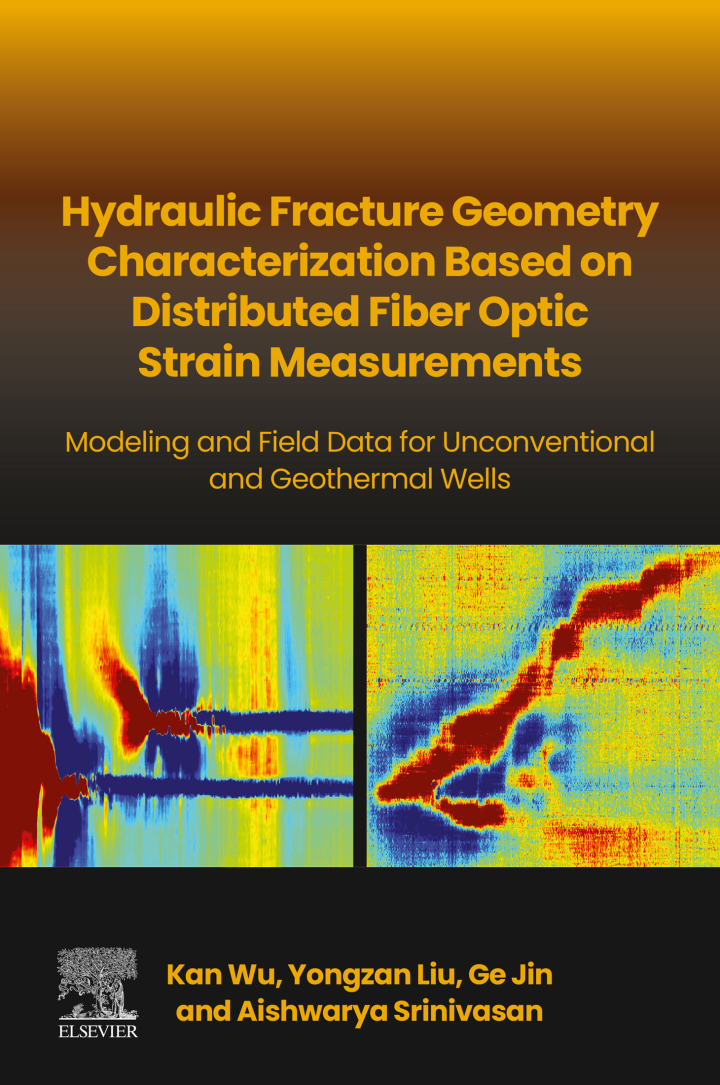
Hydraulic fracture geometry characterization based on distributed fiber optic strain measurements – 1st Edition
Original price was: $150.00.$38.00Current price is: $38.00.
Author: Kan Wu; Yongzan Liu; Ge Jin; Aishwarya Srinivasan
Publisher: Elsevier (S&T)
Print ISBN: 9780323953627
Delivery Time: Within 4 hours
Copyright: 2024
500 in stock
- Save up to 60% by choosing our eBook
- High-quality PDF Format
- Lifetime & Offline Access
Hydraulic fracture geometry characterization based on distributed fiber optic strain measurements 1st Edition
Capture the true shape of subsurface fractures with Hydraulic Fracture Geometry Characterization Based on Distributed Fiber Optic Strain Measurements, 1st Edition by Kan Wu, Yongzan Liu, Ge Jin, and Aishwarya Srinivasan. This authoritative resource introduces a modern, data-driven approach to map hydraulic fractures using distributed fiber-optic sensing—an indispensable tool for today’s reservoir engineers and geoscientists.
Discover a clear, practical guide to using distributed fiber optic strain measurements (DFOS) to reveal fracture geometry, propagation patterns, and interaction with natural fractures. The book blends theory, advanced instrumentation, and proven analysis techniques to translate raw strain profiles into actionable fracture models. Readers will find methodology explanations, interpretation workflows, and field-proven examples that bridge the gap between laboratory understanding and real-world well completions.
Engineered for practitioners and researchers across oil & gas, geothermal, and CO2 storage projects, this volume shows how DFOS enhances fracture mapping accuracy, improves stimulation outcomes, and reduces uncertainty in reservoir management. Its global relevance makes it valuable for teams operating in major shale plays and basins across North America, Europe, the Middle East, and Asia-Pacific.
Whether you’re optimizing completion design, validating fracture models, or teaching the next generation of reservoir engineers, this book delivers the tools and insights to elevate your fracture characterization capabilities. Clear visuals, step-by-step interpretation strategies, and a focus on usability make complex data accessible and decision-ready.
Add this essential reference to your technical library and stay at the forefront of fracture diagnostics. Order your copy today to bring precision fiber-optic strain analysis into your hydraulic fracturing workflow.
Note: eBooks do not include supplementary materials such as CDs, access codes, etc.