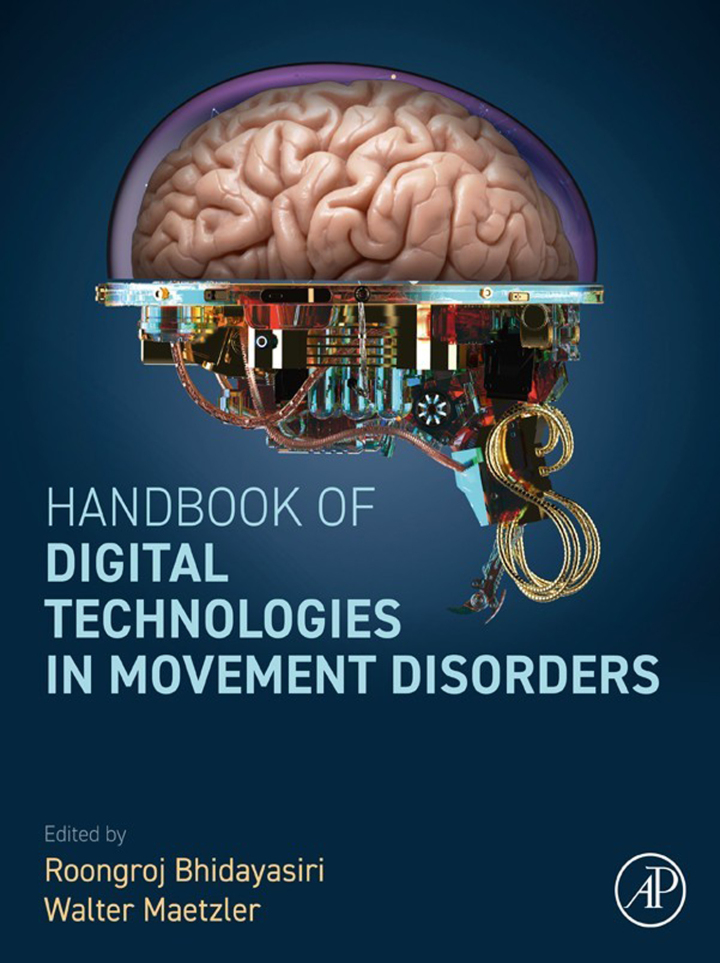
Handbook of Digital Technologies in Movement Disorders – 1st Edition
Original price was: $150.00.$38.00Current price is: $38.00.
Author: Roongroj Bhidayasiri, Walter Maetzler
Publisher: Academic Press
Print ISBN: 9780323994941
Delivery Time: Within 4 hours
Copyright: 2024
500 in stock
- Save up to 60% by choosing our eBook
- High-quality PDF Format
- Lifetime & Offline Access
Handbook of Digital Technologies in Movement Disorders 1st Edition
Handbook of Digital Technologies in Movement Disorders, 1st Edition by Roongroj Bhidayasiri and Walter Maetzler is an authoritative, practical guide for clinicians and researchers embracing digital transformation in neurology. Clear, contemporary and globally relevant, this handbook maps how digital tools—wearable sensors, mobile apps, telemedicine platforms and AI-driven analytics—are reshaping diagnosis, monitoring and rehabilitation for conditions such as Parkinson’s disease, dystonia and essential tremor.
Begin with a compelling overview of the state-of-the-art: evidence-based explanations of digital biomarkers, remote gait and tremor assessment, and sensor fusion techniques that support objective clinical decision-making. Detailed chapters bridge technology and practice, offering actionable protocols, case examples and strategies for implementation in hospitals, outpatient clinics and research settings across North America, Europe, Asia-Pacific and beyond.
Built for neurologists, movement-disorder specialists, allied health professionals and biomedical researchers, the book balances technical depth with clinical pragmatism. Learn how to integrate wearable data into patient management, run remote follow-ups using telemedicine, validate digital endpoints for clinical trials, and navigate regulatory and ethical considerations. Real-world insights from experienced authors help you translate innovation into improved patient outcomes and streamlined workflows.
If you aim to stay at the forefront of neurology and movement-disorder care, this handbook empowers you with the tools to harness digital technologies confidently. Practical, evidence-driven and future-facing, it’s an indispensable resource for improving diagnostic accuracy, enhancing longitudinal monitoring and personalizing therapy. Order your copy today to bring cutting-edge digital expertise to your clinical practice or research program and join a global movement toward smarter, data-driven care.
Note: eBooks do not include supplementary materials such as CDs, access codes, etc.