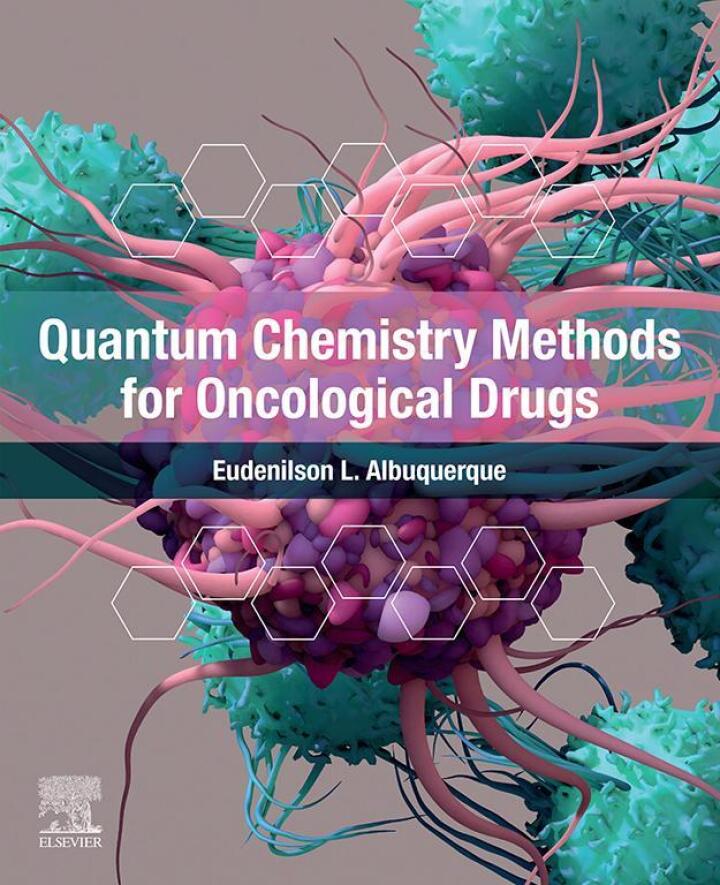
Quantum Chemistry Methods for Oncological Drugs – 1st Edition
Original price was: $200.00.$38.00Current price is: $38.00.
Author: Eudenilson L. Albuquerque
Publisher: Elsevier Science
Print ISBN: 9780443155307
Delivery Time: Within 4 hours
Copyright: 2024
500 in stock
- Save up to 60% by choosing our eBook
- High-quality PDF Format
- Lifetime & Offline Access
Quantum Chemistry Methods for Oncological Drugs 1st Edition
Capture the cutting edge of computational drug discovery with Quantum Chemistry Methods for Oncological Drugs, 1st Edition by Eudenilson L. Albuquerque. This authoritative guide translates rigorous quantum chemistry into practical strategies for designing and optimizing anticancer compounds, bridging theory and application for scientists and students worldwide.
Clear, focused chapters introduce core techniques—ab initio and density functional theory (DFT), QM/MM hybrid methods, molecular dynamics, docking refinements, and quantum-informed QSAR—showing how each method contributes to understanding binding energetics, reaction mechanisms, and electronic properties critical to oncological drug design. Albuquerque’s pragmatic writing emphasizes reproducible workflows, decision-making criteria for method selection, and real-world case examples that illuminate target classes frequently explored in oncology research.
Designed for computational chemists, medicinal chemists, pharmaceutical researchers, and graduate students, this volume streamlines complex concepts into actionable insights that accelerate hit-to-lead optimization and rationalize lead modifications. Whether you’re modeling kinase inhibitors, DNA-intercalating agents, or targeted small molecules, you’ll find methodologies tailored to the challenges of anticancer compound discovery.
With a global perspective geared to research teams from North America and Europe to Asia and Latin America, this book is both a classroom companion and a lab reference. Its combination of theoretical depth and practical orientation makes it a must-have for academic libraries, biotech startups, and pharma R&D groups aiming to integrate quantum methods into their oncology pipelines.
Secure your copy of Quantum Chemistry Methods for Oncological Drugs and empower your research with robust computational strategies that translate quantum insight into better drug candidates. Order today to advance your work at the interface of quantum chemistry and cancer therapeutics.