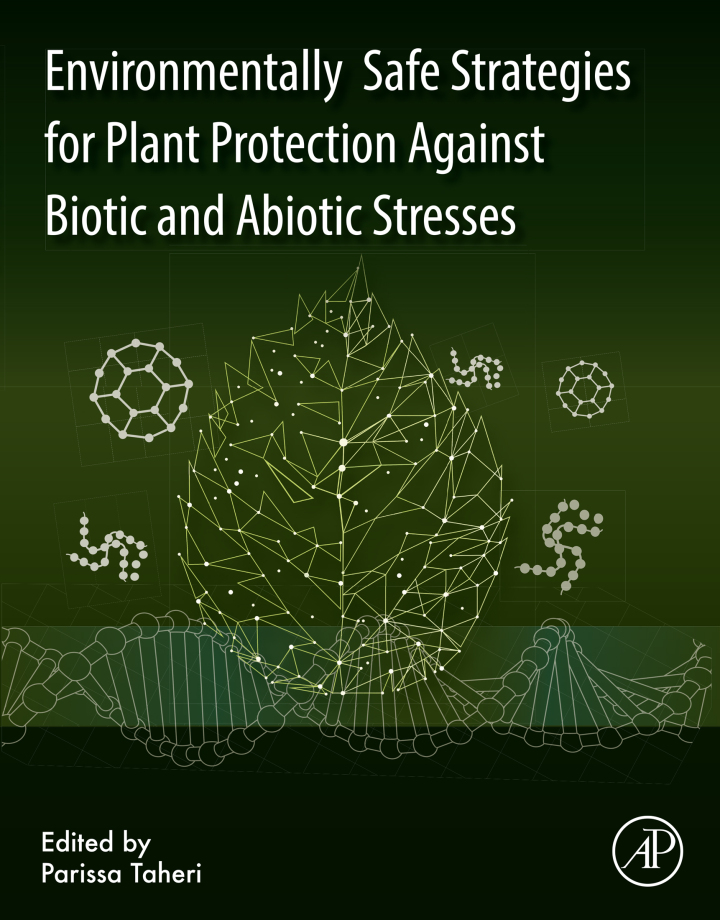
Environmentally Safe Strategies for Plant Protection Against Biotic and Abiotic Stresses
Original price was: $200.00.$38.00Current price is: $38.00.
Author: Parissa Taheri
Publisher: Academic Press
Print ISBN: 9780443238185
Delivery Time: Within 4 hours
Copyright: 2025
500 in stock
- Save up to 60% by choosing our eBook
- High-quality PDF Format
- Lifetime & Offline Access
Environmentally Safe Strategies for Plant Protection Against Biotic and Abiotic Stresses
Grab your copy of Environmentally Safe Strategies for Plant Protection Against Biotic and Abiotic Stresses by Parissa Taheri, a timely guide that connects rigorous science with practical solutions for sustainable crop management. This book opens with clear, research-driven explanations of how pests, pathogens, drought, salinity, heat and cold impact plant health, then moves quickly into proven, low-impact strategies you can apply in the field, greenhouse, or research setting.
Learn how integrated approaches—biological control agents, resistant cultivars, soil health management, biostimulants, precision irrigation, and landscape-level monitoring—work together to build resilient cropping systems. The author emphasizes environmentally sound methods that reduce chemical dependence while maintaining yield and quality, making the content valuable for growers, agronomists, extension agents, and students focused on sustainable agriculture and climate-adaptive farming.
Rich with practical recommendations, diagnostic tips, and regional adaptability, the book addresses challenges faced across diverse climates—from arid and Mediterranean zones to temperate and tropical regions—offering actionable guidance for Europe, North America, Asia, Africa, and Latin America. Whether you’re tackling salinity, drought stress, fungal outbreaks, or insect pressures, Parissa Taheri presents strategies that are both scientifically robust and field-ready.
This authoritative resource helps readers implement eco-friendly plant protection that aligns with evolving regulations and market demands for sustainably produced food. Ideal for professionals seeking to enhance crop resilience and for institutions shaping future plant protection policies.
Take the next step toward sustainable crop management—add Environmentally Safe Strategies for Plant Protection Against Biotic and Abiotic Stresses by Parissa Taheri to your library today.