
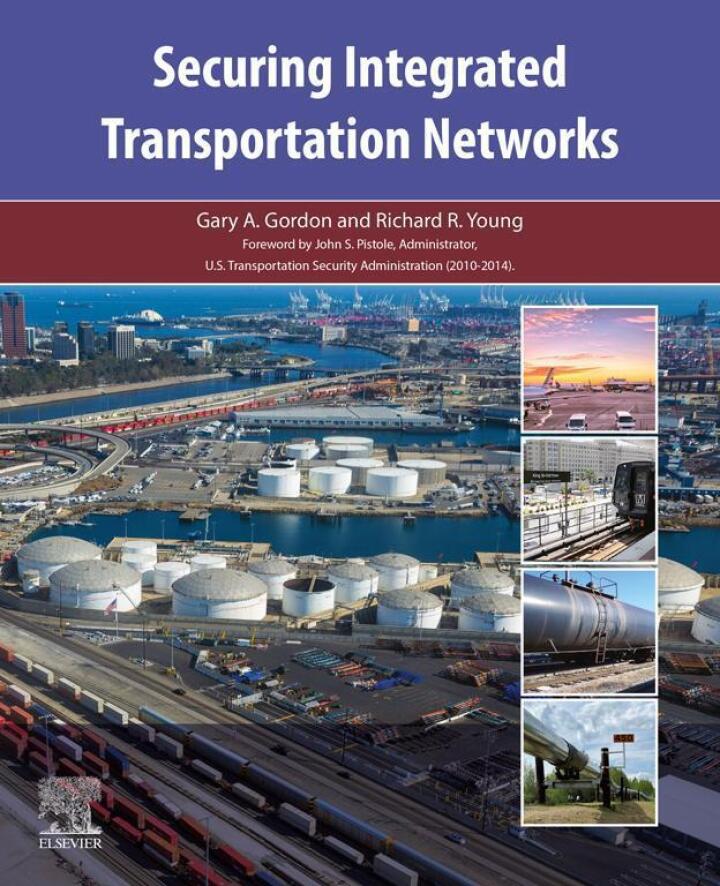
Securing Integrated Transportation Networks – 1st Edition
Original price was: $125.00.$38.00Current price is: $38.00.
Author: Gary A. Gordon; Richard R. Young
Publisher: Elsevier (S&T)
Print ISBN: 9780323954099
Delivery Time: Within 4 hours
Copyright: 2024
500 in stock
- Save up to 60% by choosing our eBook
- High-quality PDF Format
- Lifetime & Offline Access
Securing Integrated Transportation Networks 1st Edition
Capture the future of transportation safety with Securing Integrated Transportation Networks, 1st Edition by Gary A. Gordon and Richard R. Young. This authoritative guide cuts through complexity to deliver clear, practical strategies for protecting interconnected transportation systems across metropolitan, regional, and national networks.
Explore why integrated security matters now: escalating cyber threats, evolving terrorism tactics, and the growing interdependence of air, rail, road, and maritime infrastructure demand coordinated solutions. Gordon and Young combine real-world case studies with evidence-based frameworks to help security professionals, planners, and policy makers strengthen resilience across airports, seaports, mass transit, freight corridors, and border crossings throughout the United States and international hubs.
Inside you’ll find actionable insights on risk assessment, layered defense strategies, intelligence sharing, incident response planning, and public–private collaboration. The book balances technical rigor with accessible guidance, making it indispensable for homeland security officials, transportation managers, consultants, and graduate students focused on critical infrastructure protection.
What sets this volume apart is its pragmatic approach: it translates theory into operational plans that adapt to local conditions—whether you are safeguarding a major North American port, a European rail network, or urban transit in Asia. Readers gain tools to anticipate vulnerabilities, prioritize resources, and implement interoperable solutions that reduce disruption and protect people and commerce.
Clear, timely, and globally relevant, Securing Integrated Transportation Networks equips you to lead security initiatives with confidence. Strengthen your organization’s defenses and ensure continuity in an interconnected world—order your copy today to begin transforming transportation security strategy into measurable results.
Related Books





Political Science
Introduction to Emergency Management and Disaster Science – 3rd Edition



Political Science
American Government: Institutions and Policies – 17th Edition