
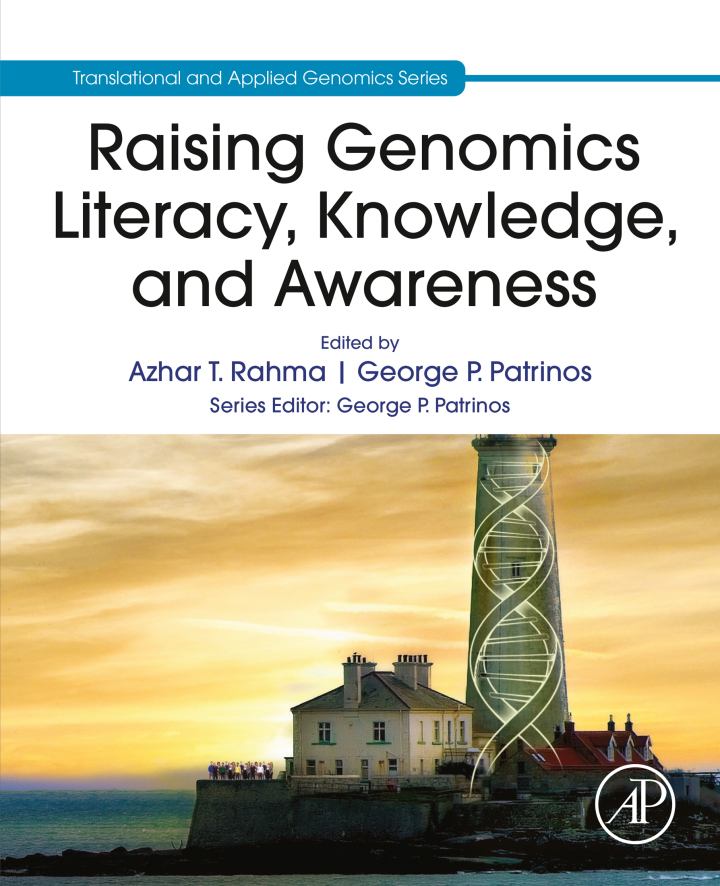
Raising Genomics Literacy, Knowledge, and Awareness
Original price was: $185.00.$38.00Current price is: $38.00.
Author: Azhar T. Rahma, George P. Patrinos
Publisher: Academic Press
Print ISBN: 9780443223846
Delivery Time: Within 4 hours
Copyright: 2025
500 in stock
- Save up to 60% by choosing our eBook
- High-quality PDF Format
- Lifetime & Offline Access
Raising Genomics Literacy, Knowledge, and Awareness
Raising Genomics Literacy, Knowledge, and Awareness by Azhar T. Rahma and George P. Patrinos is a timely, practical guide for anyone committed to bridging the gap between cutting‑edge genomic science and the communities that need it most. Written for educators, healthcare professionals, policymakers, public‑health practitioners, and community leaders across the globe, this book makes genomics literacy accessible, actionable, and relevant to diverse local contexts.
Start engaging with clear, user‑friendly explanations of genetic and genomic concepts, alongside step‑by‑step strategies for designing effective educational programs, outreach campaigns, and policy initiatives. The authors blend evidence‑based frameworks with real‑world case studies from Europe, Africa, Asia, Latin America, and North America, demonstrating how tailored communication can improve informed decision‑making, encourage responsible genetic testing, and reduce health disparities in both high‑ and low‑resource settings.
You’ll find practical guidance on ethical, legal, and social implications (ELSI), culturally sensitive messaging, classroom and community curriculum development, and methods for measuring impact and evaluating outcomes. Expertly balancing scientific rigor with clear language, Rahma and Patrinos show how to translate complex topics—such as personalized medicine, population genomics, and bioinformatics—into materials that resonate with patients, students, and the public.
Whether you’re building a national genomics awareness campaign, training healthcare providers, or creating school curricula, this book equips you with tools to foster informed communities and smarter health policy. Invest in a resource that helps transform enthusiasm for genomics into responsible practice and inclusive education worldwide. Add Raising Genomics Literacy, Knowledge, and Awareness to your professional library and lead the change toward a more genomically literate society.
Note: eBooks do not include supplementary materials such as CDs, access codes, etc.