
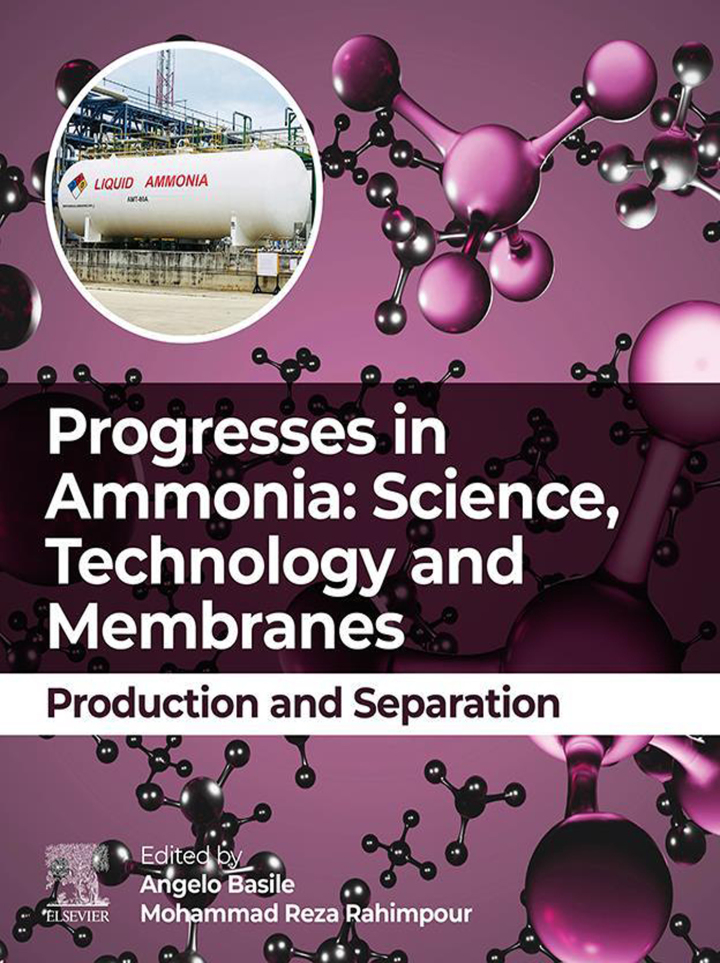
Progresses in Ammonia: Science, Technology and Membranes – 1st Edition
Original price was: $230.00.$38.00Current price is: $38.00.
Author: Angelo Basile, Mohammad Reza Rahimpour
Publisher: Elsevier (S&T)
Print ISBN: 9780323885027
Delivery Time: Within 4 hours
Copyright: 2024
500 in stock
- Save up to 60% by choosing our eBook
- High-quality PDF Format
- Lifetime & Offline Access
Progresses in Ammonia: Science, Technology and Membranes 1st Edition
Progresses in Ammonia: Science, Technology and Membranes (1st Edition) by Angelo Basile and Mohammad Reza Rahimpour is an authoritative, forward-looking guide for scientists, engineers and industry leaders navigating the rapidly evolving world of ammonia science. Clear, contemporary and technically rich, this volume highlights breakthroughs in synthesis, separation and membrane technologies that are reshaping ammonia’s role as a feedstock, energy carrier and decarbonization tool.
This book draws you in with compelling analysis of green ammonia pathways, advanced catalysis, membrane-based separations, and process intensification—linking laboratory innovation to industrial-scale application. Comprehensive chapters synthesize experimental findings, modeling approaches and practical design considerations, making complex topics accessible without sacrificing technical rigor.
Perfect for researchers, chemical and energy professionals, policy makers and graduate students, the text demonstrates how ammonia can contribute to global energy transitions across Europe, North America and the Asia-Pacific. Detailed discussions on membrane materials, electrochemical synthesis, and system integration provide actionable insights for reducing carbon footprints, improving efficiency and unlocking new market opportunities in fertilizers, hydrogen storage and low-carbon fuels.
The book’s blend of scientific depth and application-focused perspective turns cutting-edge research into real-world advantage—ideal for professionals seeking competitive edge and academics building curricula or research programs. Whether you’re involved in R&D, plant design or environmental strategy, this essential reference offers the technical clarity and global context required to drive innovation.
Order your copy today to stay at the forefront of ammonia technology and membrane science—an indispensable resource for the sustainable chemical industry of tomorrow.
Related Books


Technology & Engineering
Mathematical Methods for Engineering and Science – 2nd Edition