
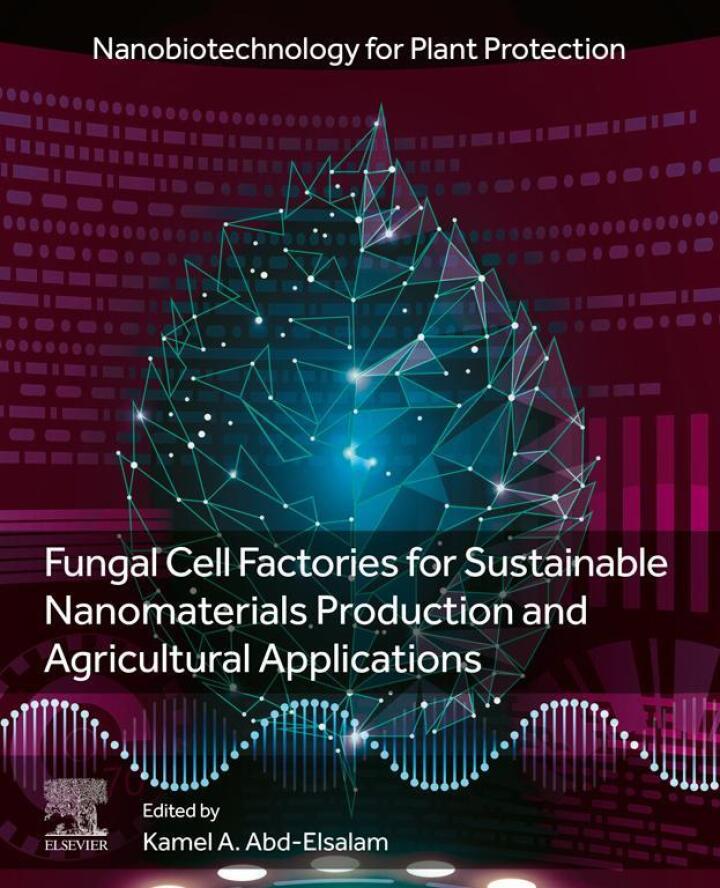
Fungal Cell Factories for Sustainable Nanomaterials Productions and Agricultural Applications – 1st Edition
Original price was: $300.00.$38.00Current price is: $38.00.
Author: Kamel Abd-Elsalam
Publisher: Elsevier (S&T)
Print ISBN: 9780323999229
Delivery Time: Within 4 hours
Copyright: 2023
500 in stock
- Save up to 60% by choosing our eBook
- High-quality PDF Format
- Lifetime & Offline Access
Fungal Cell Factories for Sustainable Nanomaterials Productions and Agricultural Applications 1st Edition
Fungal Cell Factories for Sustainable Nanomaterials Productions and Agricultural Applications (1st Edition) by Kamel Abd-Elsalam
Discover a cutting-edge convergence of mycology, green nanotechnology, and agricultural science in this authoritative first edition. This book captures attention with a clear promise: harnessing fungal cell factories to produce environmentally friendly nanomaterials that transform crop protection, soil health, and sustainable production systems worldwide.
Inside, readers will find an engaging, evidence-based exploration of fungal metabolic pathways, scalable biosynthesis techniques, and case studies that demonstrate real-world agricultural applications. The author guides scientists, agronomists, and industry leaders through protocols for biosynthesis, characterization of nanoparticle properties, and strategies for integrating bio-derived nanomaterials into pest management, seed treatments, and soil remediation.
Why this book matters: it bridges laboratory innovation with on-farm impact — especially relevant for researchers and practitioners across Africa, Asia, Europe, the Americas, and Oceania seeking low‑cost, eco-conscious alternatives to chemical inputs. With practical insights into regulatory considerations, safety assessments, and commercialization pathways, the text empowers stakeholders to adopt sustainable nanotechnology solutions that respect local environments and crop systems.
Whether you’re a researcher, policy-maker, agritech entrepreneur, or graduate student, this volume offers a compelling roadmap for translating fungal biotechnology into scalable, sustainable outcomes. Clear diagrams, up-to-date references, and applied examples make complex science accessible and actionable.
Order your copy today to stay at the forefront of sustainable nanomaterials research and agricultural innovation — and join a global movement toward greener, fungus-based solutions for tomorrow’s food systems.
Note: eBooks do not include supplementary materials such as CDs, access codes, etc.