
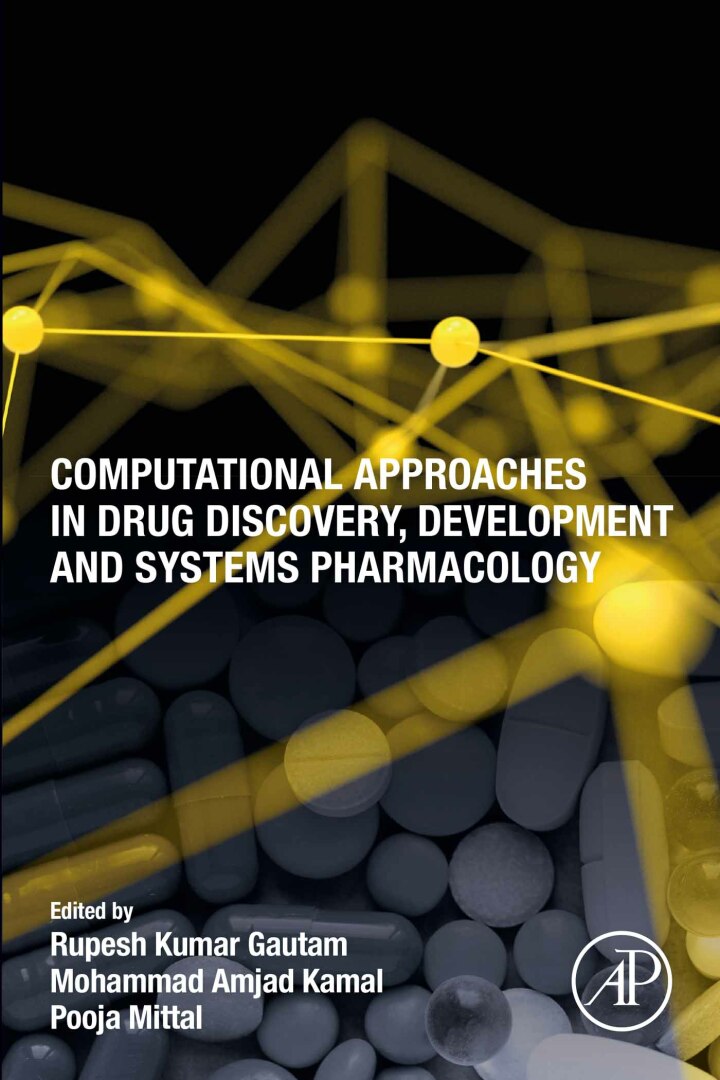
Computational Approaches in Drug Discovery, Development and Systems Pharmacology – 1st Edition
Original price was: $175.00.$38.00Current price is: $38.00.
Author: Rupesh Gautam, Mohammad Amjad Kama, Pooja Mittal
Publisher: Academic Press
Print ISBN: 9780323991377
Delivery Time: Within 4 hours
Copyright: 2023
500 in stock
- Save up to 60% by choosing our eBook
- High-quality PDF Format
- Lifetime & Offline Access
Computational Approaches in Drug Discovery, Development and Systems Pharmacology 1st Edition
Grab the cutting edge of pharmaceutical innovation with Computational Approaches in Drug Discovery, Development and Systems Pharmacology (1st Edition) by Rupesh Gautam, Mohammad Amjad Kama, and Pooja Mittal — a comprehensive, practical guide for scientists, students, and industry professionals navigating modern in silico drug discovery.
This authoritative volume distills advanced computational methods — molecular docking, QSAR, molecular dynamics, virtual screening, machine learning, network pharmacology and systems-level modeling — into clear workflows you can apply to lead identification, optimization and ADMET prediction. Written with real-world relevance, the book bridges theory and practice, showcasing case studies, reproducible strategies and data-driven approaches that accelerate translational research in biotech, pharma and academic labs.
Whether you work in medicinal chemistry, pharmacology, computational biology or regulatory science, you’ll appreciate the book’s focus on actionable insights: improving hit-to-lead success, integrating multi-omics data, and leveraging systems pharmacology to predict drug behavior across biological networks. The content is globally relevant — beneficial to research teams across North America, Europe and Asia — and tailored to today’s interdisciplinary drug-development environment.
Packed with clear explanations, practical examples and up-to-date methodologies, this edition equips readers to adopt computational tools with confidence and drive measurable outcomes in drug discovery projects. Ideal as a reference for graduate courses, industry training or library collections, it’s a must-have for anyone serious about modern pharmacological research.
Add Computational Approaches in Drug Discovery, Development and Systems Pharmacology to your bookshelf and transform the way you discover and develop therapeutics — practical guidance for immediate application in the lab and beyond.
Note: eBooks do not include supplementary materials such as CDs, access codes, etc.