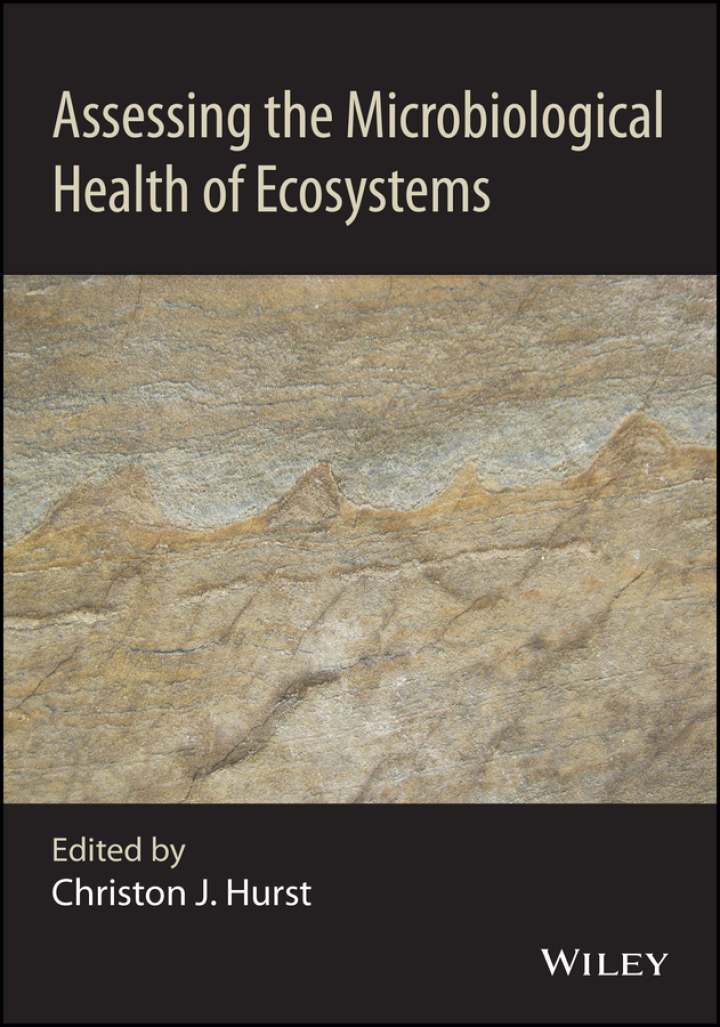
Assessing the Microbiological Health of Ecosystems – 1st Edition
Original price was: $120.00.$38.00Current price is: $38.00.
Author: Christon J. Hurst
Publisher: Wiley-Blackwell
Print ISBN: 9781119678328
Delivery Time: Within 4 hours
Copyright: 2023
500 in stock
- Save up to 60% by choosing our eBook
- High-quality PDF Format
- Lifetime & Offline Access
Assessing the Microbiological Health of Ecosystems 1st Edition
Assessing the Microbiological Health of Ecosystems, 1st Edition by Christon J. Hurst offers an authoritative, practical guide for anyone charged with understanding and protecting environmental systems. In an era where microbial communities shape water quality, soil fertility, and ecosystem resilience, this book delivers timely insights and usable techniques for assessing microbiological health across freshwater, marine, agricultural, urban and wilderness environments.
Start exploring clear explanations of microbial indicators, sampling design, laboratory and field methods, and modern molecular tools that reveal community structure and function. The text bridges theory and practice with real-world case studies from North America and global ecosystems, showing how microbial assessments inform monitoring programs, restoration projects, and regulatory decisions.
Readers will appreciate the book’s emphasis on actionable guidance: step-by-step sampling strategies, quality-control best practices, data interpretation tips, and statistical approaches tailored for environmental microbiology. Whether you are a graduate student, researcher, environmental consultant, or policy advisor, you’ll find frameworks that translate complex microbial data into meaningful assessments of ecosystem health and management recommendations.
What sets this 1st Edition apart is its balance of scientific rigor and accessibility—rich in methodologies yet written for practical application. It equips practitioners to detect pollution impacts, evaluate remediation success, and incorporate microbiological indicators into broader ecosystem monitoring plans.
For those committed to safeguarding natural resources, Assessing the Microbiological Health of Ecosystems is an indispensable resource that advances understanding and improves decision-making in environmental microbiology and ecosystem assessment. Order your copy today to strengthen your monitoring toolbox and make data-driven choices for healthier ecosystems worldwide.