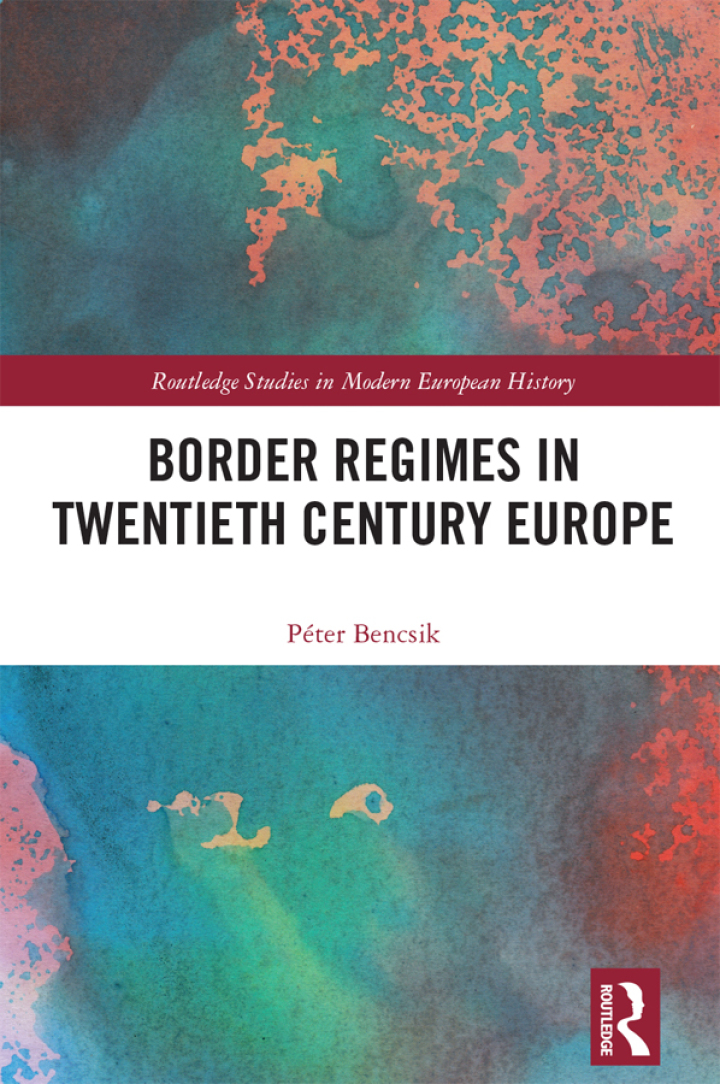
Border Regimes in Twentieth Century Europe – 1st Edition
Original price was: $54.99.$38.00Current price is: $38.00.
Author: Péter Bencsik
Publisher: Routledge
Print ISBN: 9781032280844
Delivery Time: Within 4 hours
Copyright: 2023
500 in stock
- Save up to 60% by choosing our eBook
- High-quality PDF Format
- Lifetime & Offline Access
Border Regimes in Twentieth Century Europe 1st Edition
Border Regimes in Twentieth Century Europe — 1st Edition by Péter Bencsik
Discover a definitive study of how lines on maps shaped lives, politics and power across modern Europe. This compelling, readable volume unpacks the transformation of European border regimes from the upheavals of the World Wars through the Cold War and into the era of European integration. Ideal for historians, policy-makers, students and curious readers, it situates borders as living institutions that governed migration, security and identity.
Bencsik combines rigorous comparative analysis with evocative case studies to trace how nation-states, empires and supranational bodies contested, reinforced and reimagined border control. The book illuminates themes crucial to contemporary debates — sovereignty, mobility, surveillance and regional cooperation — while mapping regional variations from Central and Eastern Europe to Western Europe. Clear prose and carefully framed examples make complex legal, political and social developments accessible without sacrificing academic depth.
Gain fresh perspective on familiar events: how border policies reacted to wartime displacement, how postwar settlements and the Cold War hardened or softened dividing lines, and how late twentieth-century integration and human rights pressures reshaped cross-border life. Readers will come away with practical insights into the historical roots of today’s migration and security challenges in Europe.
Perfect for course adoption, research reference or informed readership, this 1st Edition by Péter Bencsik is an essential addition to any collection focused on European history, border studies or international relations. Order now to deepen your understanding of the forces that drew — and redrew — Europe’s borders.