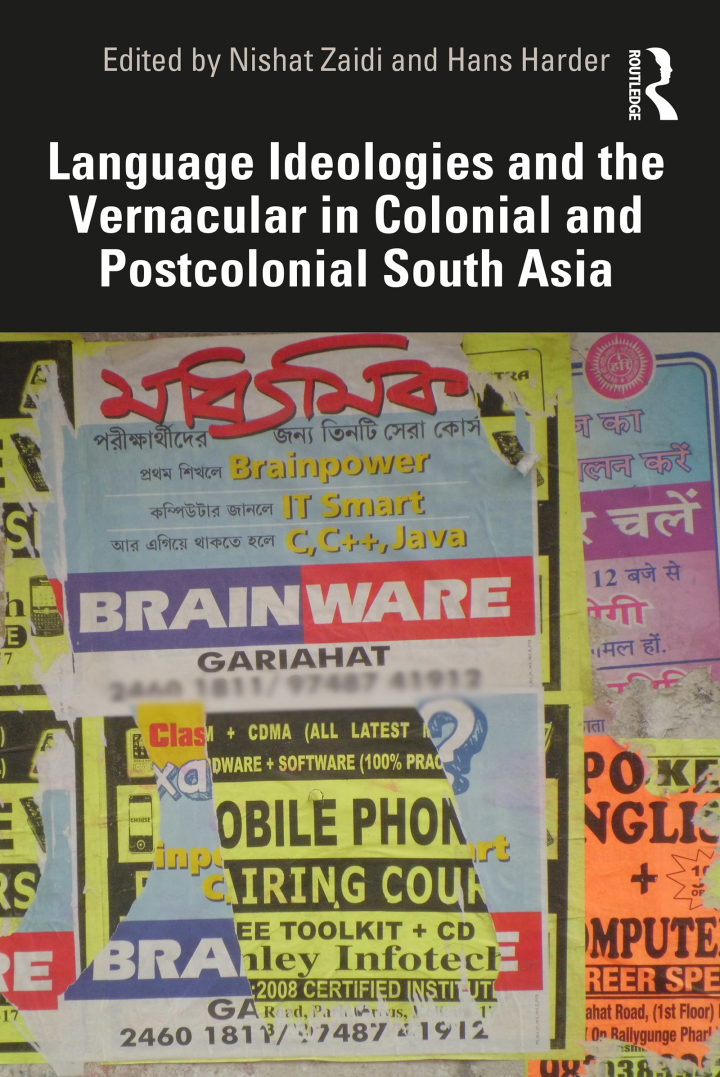
Language Ideologies and the Vernacular in Colonial and Postcolonial South Asia – 1st Edition
Original price was: $54.99.$38.00Current price is: $38.00.
Author:
Publisher: Routledge India
Print ISBN: 9781032247342
Delivery Time: Within 4 hours
Copyright: 2024
500 in stock
- Save up to 60% by choosing our eBook
- High-quality PDF Format
- Lifetime & Offline Access
Language Ideologies and the Vernacular in Colonial and Postcolonial South Asia 1st Edition
Language Ideologies and the Vernacular in Colonial and Postcolonial South Asia (1st Edition by) offers a timely and nuanced exploration of how languages, power, and identity shaped—and continue to shape—the social landscape of South Asia. Captivating from the first page, this book examines the shifting status of vernacular languages during colonial rule and the complex afterlives of those policies in independent India, Pakistan, Bangladesh, Sri Lanka, Nepal and the broader region.
Readers will find clear, evidence-based discussions that illuminate how language ideologies influenced education, administration, literature and everyday life. The book connects historical archives with contemporary debates about linguistic rights, standardization, and cultural belonging, making it essential reading for scholars, students, policymakers and anyone interested in sociolinguistics and South Asian studies.
What makes this volume especially valuable is its accessible synthesis of theory and case studies: regional languages such as Hindi, Urdu, Bengali and Tamil are used as lenses to show how vernaculars were both marginalized and mobilized in anti-colonial movements and nation-building efforts. The result is a vivid portrait of language as a living social force—one that shapes identities, access to power, and community resilience across the subcontinent.
Whether you’re researching language policy, teaching a course on colonial/postcolonial studies, or seeking deeper context for contemporary language debates in South Asia, this 1st Edition is a rigorous, readable resource. Add Language Ideologies and the Vernacular in Colonial and Postcolonial South Asia to your collection to deepen your understanding of how languages carry history, politics and possibility across generations. Buy now to enrich your library and scholarship.
Related Books





Social Science
Introduction to Mediation, Moderation, and Conditional Process Analysis – 3rd Edition