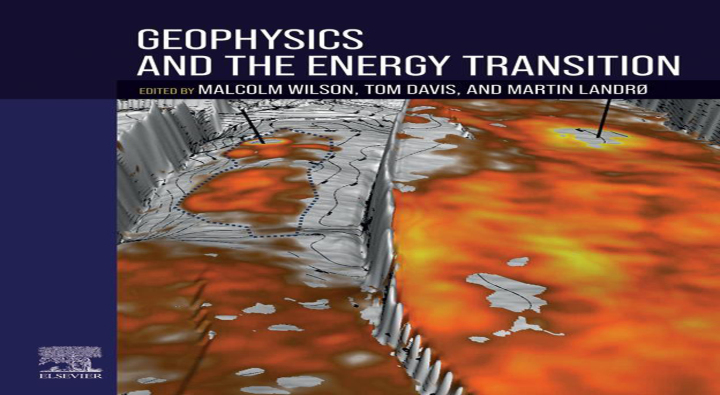
Geophysics and the Energy Transition
Original price was: $165.00.$38.00Current price is: $38.00.
Author: Malcolm Wilson
Publisher: Elsevier (S&T)
Print ISBN: 9780323959414
Delivery Time: Within 4 hours
Copyright: 2025
500 in stock
- Save up to 60% by choosing our eBook
- High-quality PDF Format
- Lifetime & Offline Access
Geophysics and the Energy Transition
Bold, timely and practical, Geophysics and the Energy Transition by Malcolm Wilson reframes how subsurface science drives decarbonisation. This authoritative guide connects geophysical methods to real-world energy challenges—from geothermal and hydrogen storage to carbon capture and responsible hydrocarbon stewardship—making it essential for professionals and students navigating the low-carbon future.
Explore clear explanations of seismic imaging, electromagnetic surveys, gravity and well-log interpretation, all presented with a focus on their role in transitioning energy systems. Wilson translates complex theory into actionable insight for exploration geoscientists, reservoir engineers, policy advisors and environmental consultants. You’ll find practical case studies and regional perspectives that make the book relevant whether you work in the North Sea, North America, Europe or emerging basins worldwide.
Why this book matters: it links geophysics directly to sustainable energy goals and decarbonisation strategies, helping organizations reduce risk, optimise subsurface storage and assess new renewable resources. The tone is professional yet accessible—balancing technical depth with strategic guidance—so readers can apply methods to geothermal development, CO2 storage site selection, hydrogen storage evaluation and legacy asset repurposing.
Ideal for graduate students, industry practitioners and decision-makers, this title strengthens technical competence and informs policy-minded conversations about the future of energy. Practical, regionally aware and forward-looking, Geophysics and the Energy Transition offers the knowledge to turn subsurface science into sustainable action. Order your copy today and stay ahead in the evolving world of energy, geoscience and climate resilience.