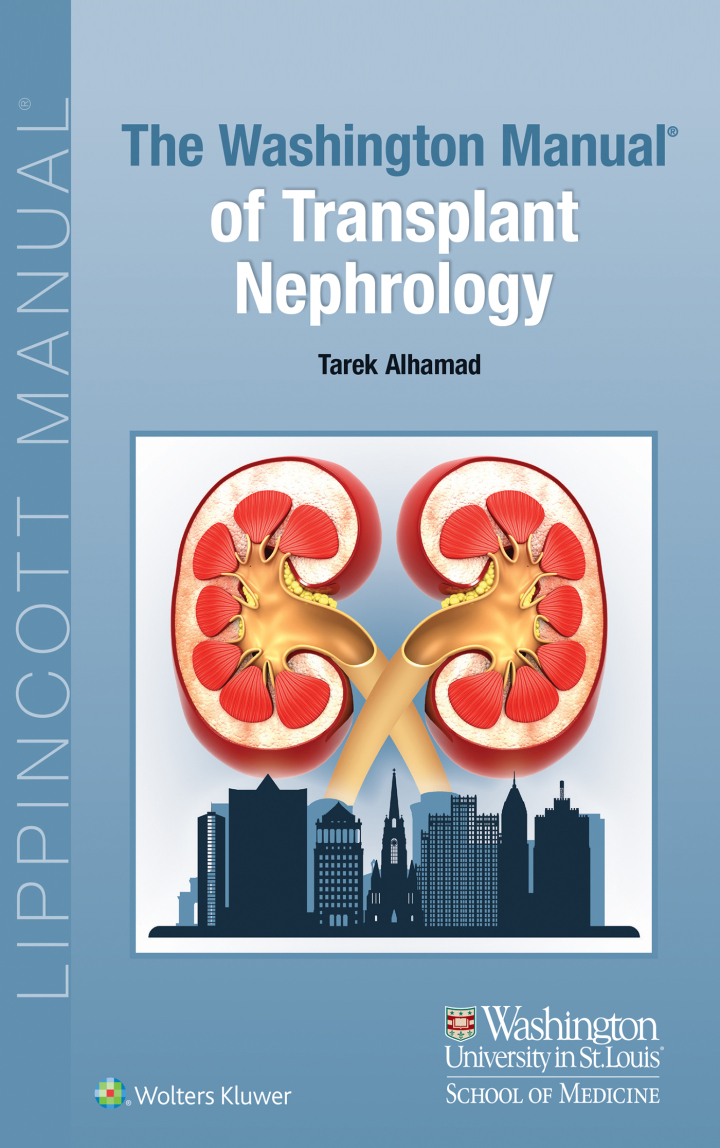
The Washington Manual of Transplant Nephrology – 1st Edition
Original price was: $96.99.$38.00Current price is: $38.00.
Author: Tarek Alhamad
Publisher: Wolters Kluwer Health
Print ISBN: 9781975210823
Delivery Time: Within 4 hours
Copyright: 2023
500 in stock
- Save up to 60% by choosing our eBook
- High-quality PDF Format
- Lifetime & Offline Access
The Washington Manual of Transplant Nephrology 1st Edition
Capture immediate confidence in your clinical decisions with The Washington Manual of Transplant Nephrology, 1st Edition by Tarek Alhamad. This compact, authoritative guide delivers concise, evidence-informed direction for every stage of kidney transplant care — from donor evaluation and perioperative management to long-term immunosuppression and rejection treatment.
Inside you’ll find clear algorithms, practical diagnostic pathways, and up-to-date management strategies tailored to busy clinicians working in transplant centers, hospitals, and outpatient nephrology clinics across the United States and around the world. The manual emphasizes real-world applicability: drug dosing considerations, infection prophylaxis, surveillance protocols, and tips for navigating common complications after renal transplantation.
Ideal for transplant nephrologists, fellows, residents, transplant surgeons, advanced practice providers, and pharmacists, this edition balances depth and accessibility. Complex topics such as antibody-mediated rejection, HLA matching, and chronic allograft dysfunction are distilled into actionable steps that support faster, safer patient care. The Washington Manual’s signature clinical focus helps multidisciplinary teams coordinate care more effectively in high-volume centers and community practices alike.
Whether you’re preparing for rounds, building a transplant program, or updating clinic protocols, this book is designed to be a first-line reference that enhances decision-making at the bedside. Its practical layout and evidence-based content make it an essential addition to professional medical libraries and institutional collections.
Add The Washington Manual of Transplant Nephrology by Tarek Alhamad to your toolkit today — a focused, reliable resource that supports excellence in kidney transplant care across regions and practice settings. Purchase now to streamline clinical workflow and improve patient outcomes.